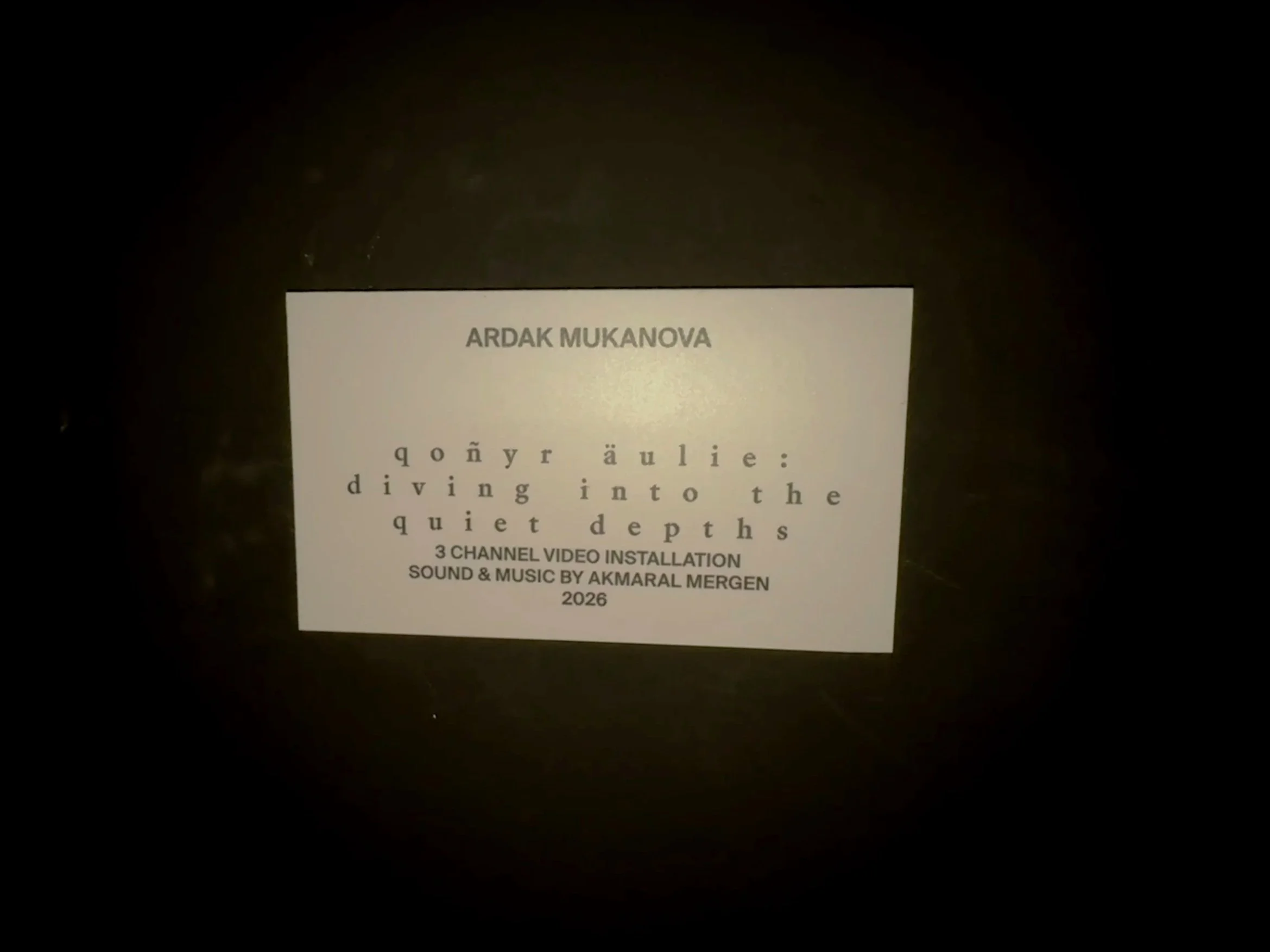
Qoñyr Äulie: Diving into the Quiet Depths (2026)
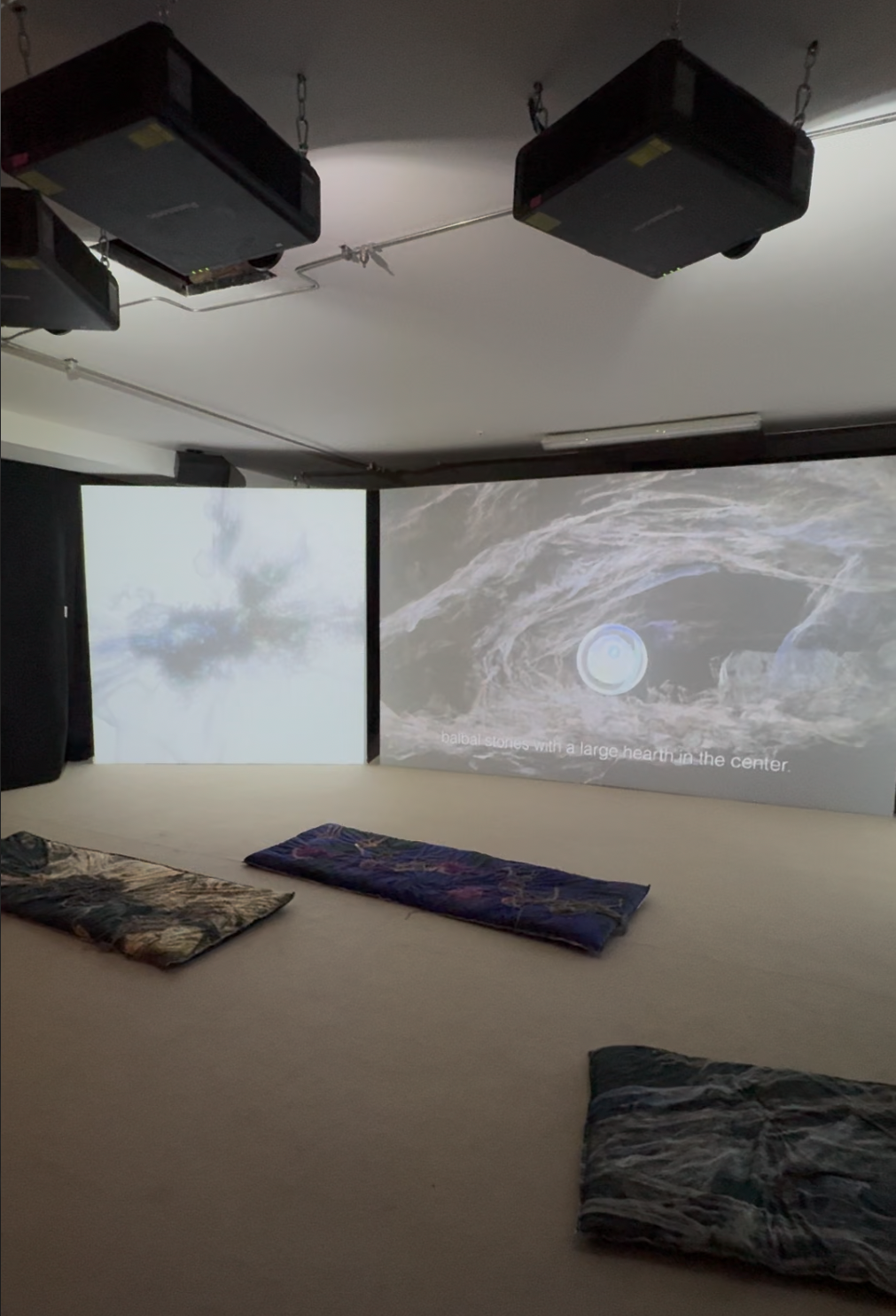
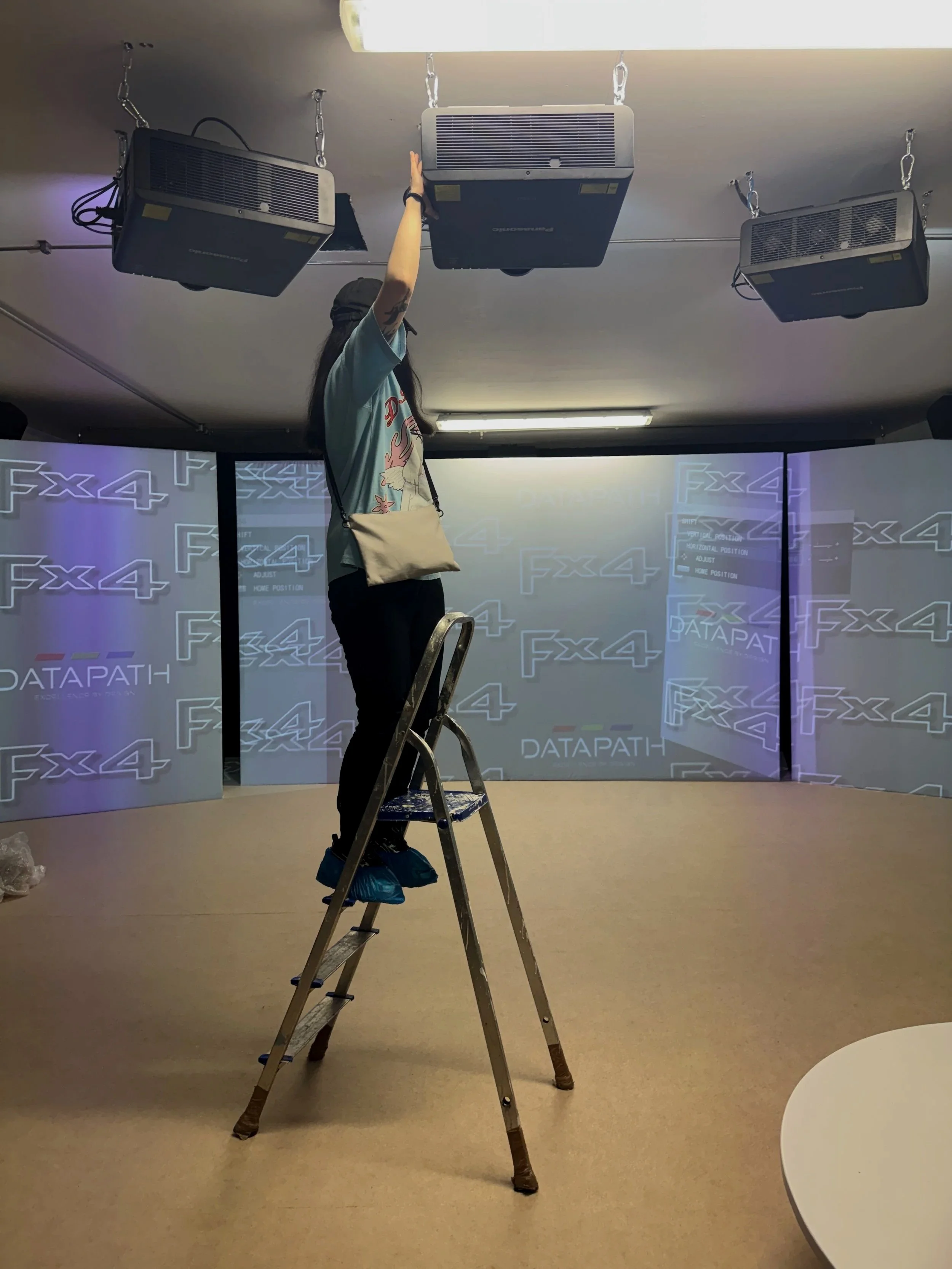
Three-channel video installation with 5.1 surround sound
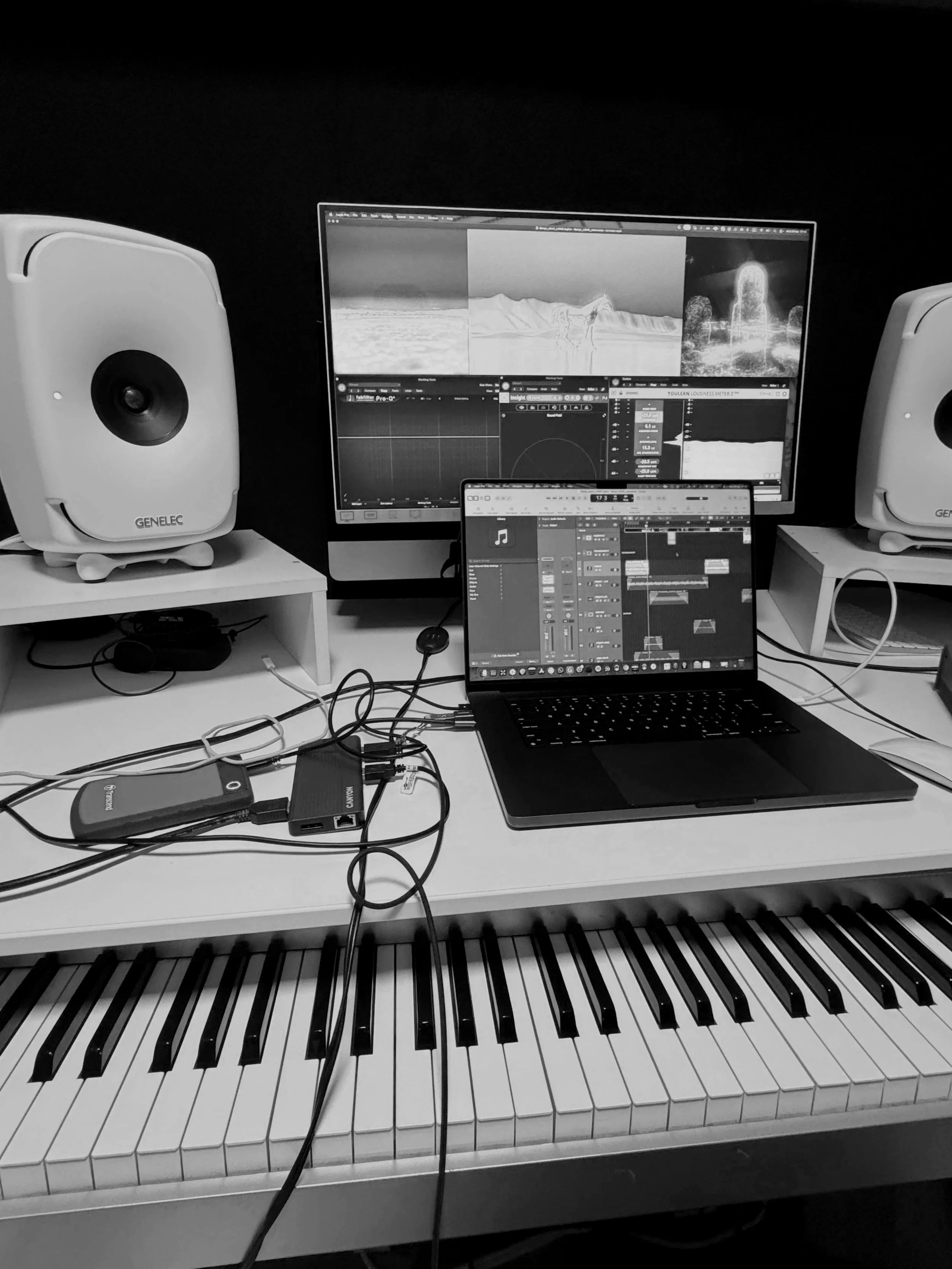
Project by Ardak Mukanova, in collaboration with Composer and Sound Artist Akmaral Mergen
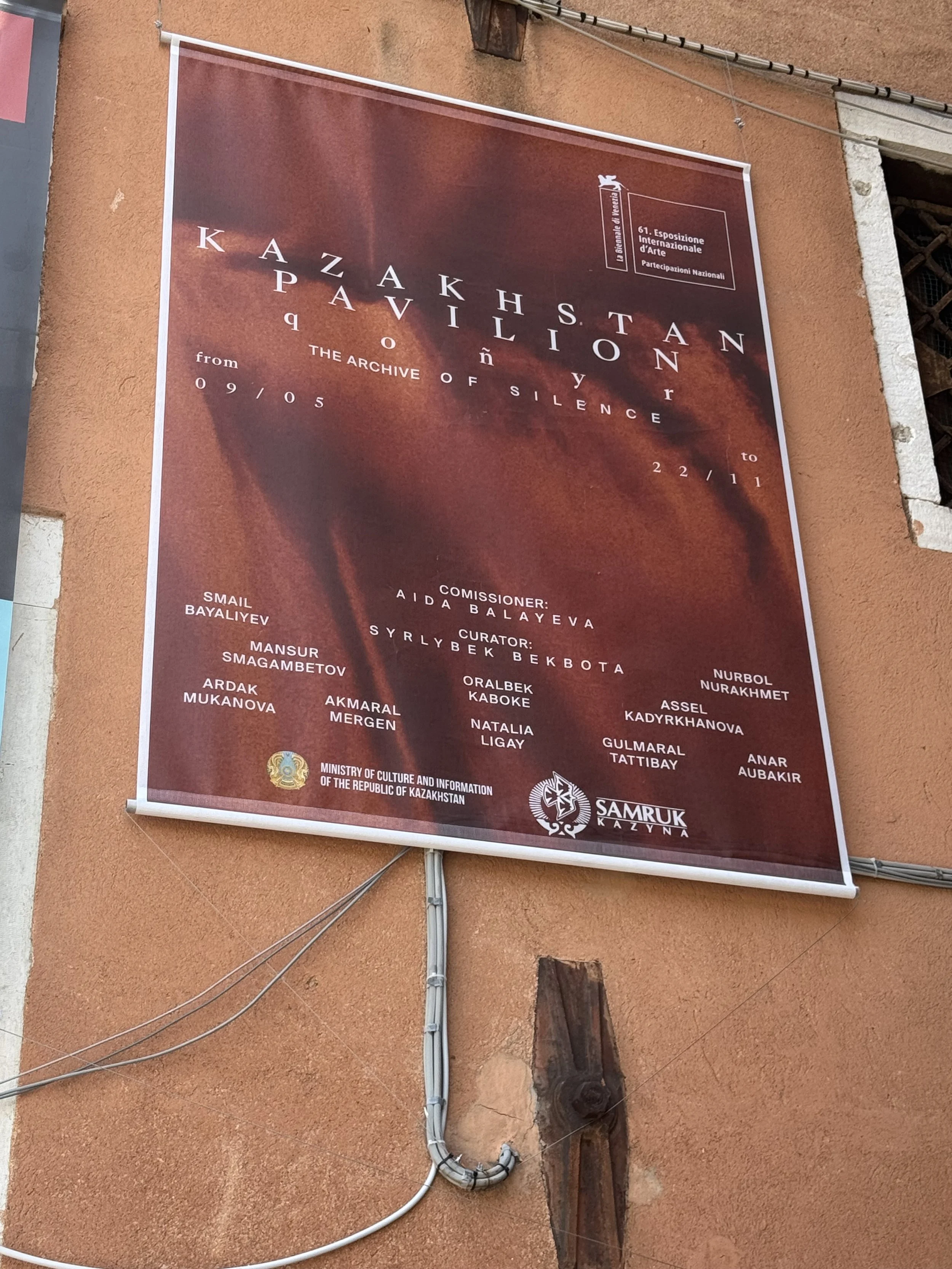
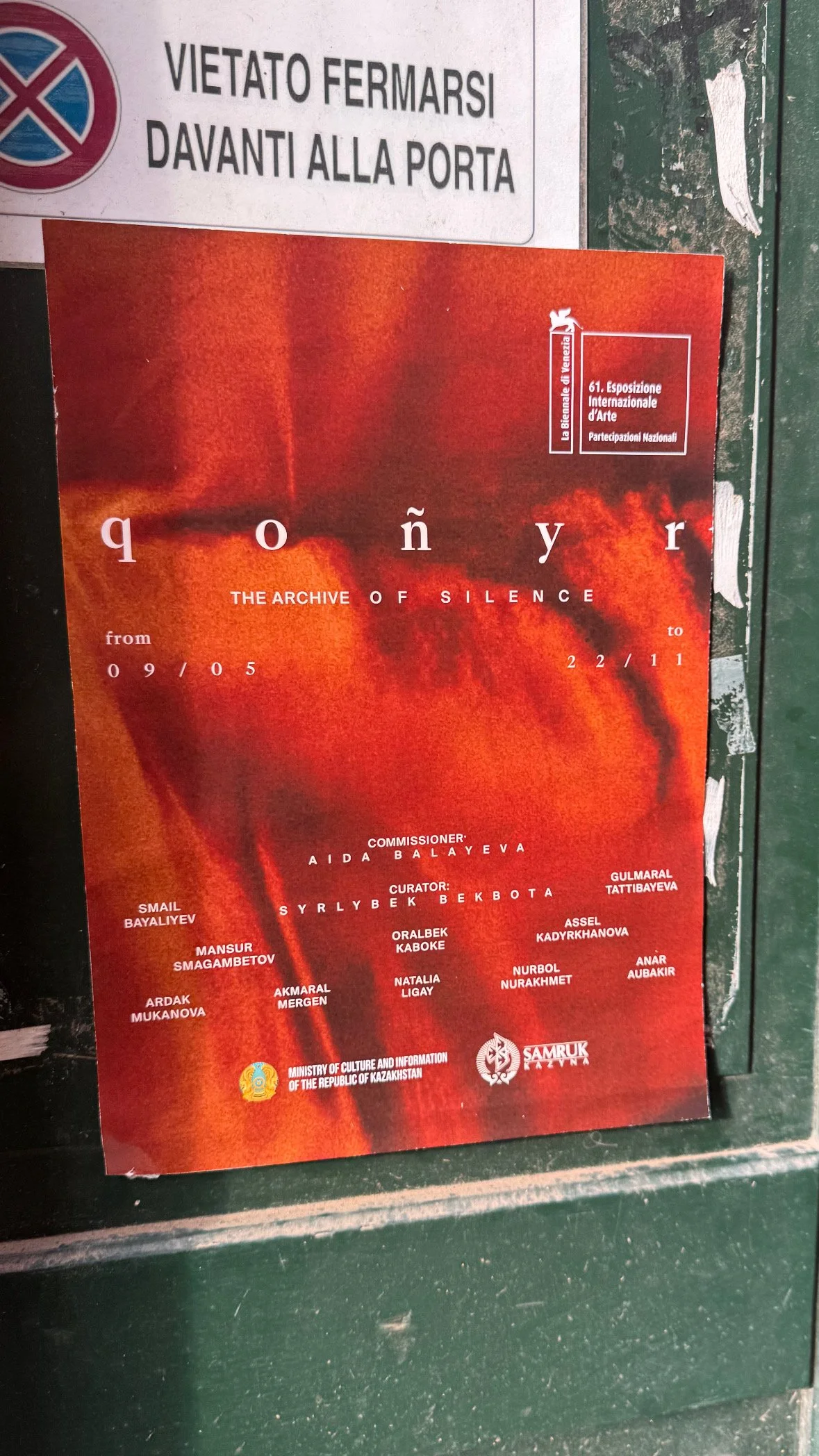
Pavilion of the Republic of Kazakhstan, Qoñyr: The Archive of Silence,
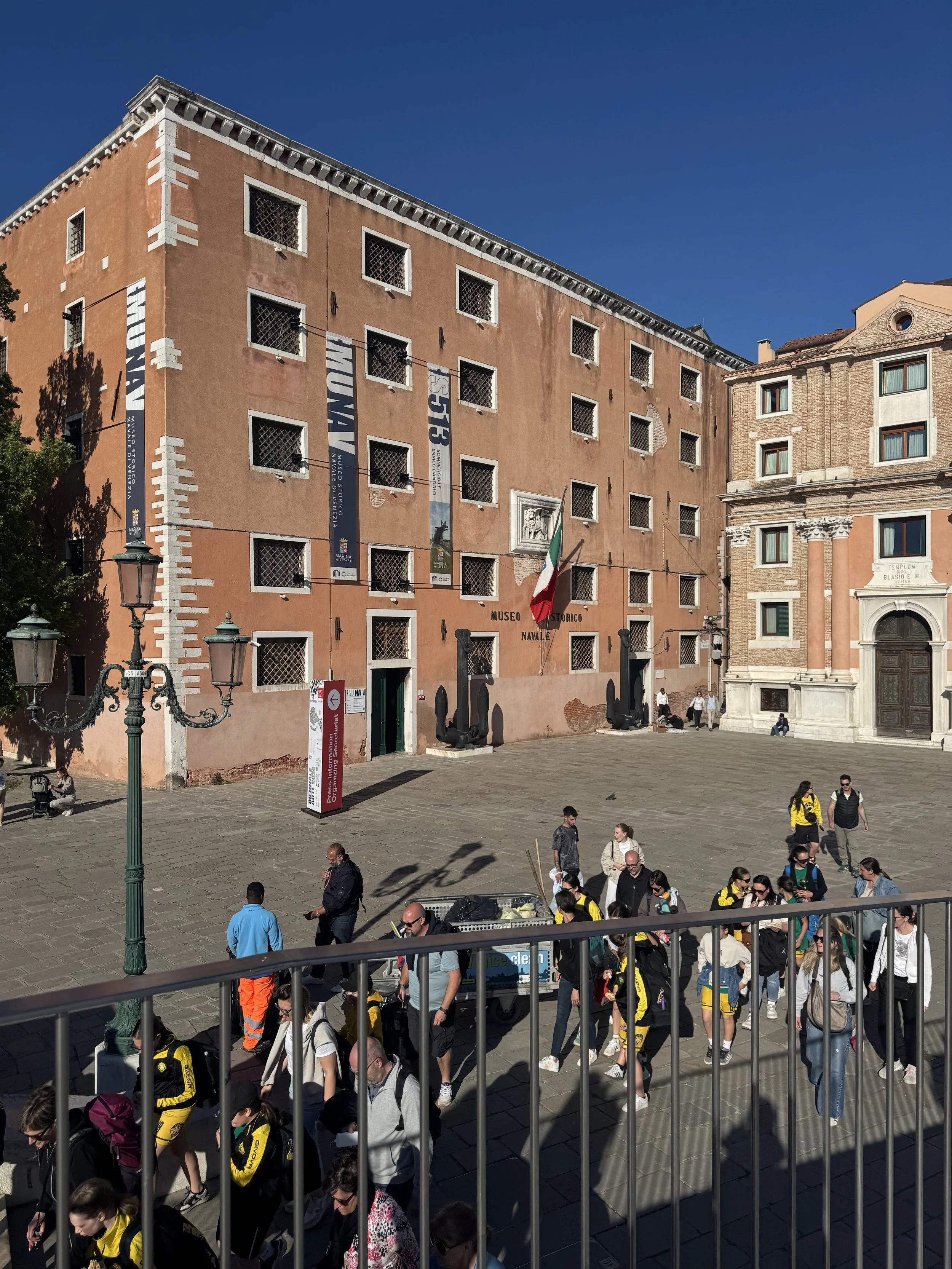
61st International Art Exhibition — La Biennale di Venezia (Museo Storico Navale).
Curator: Syrlybek Bekbota
9 May - 22 November 2026
Context and space
Positioned as the final room in the Kazakhstan Pavilion's route, Qoñyr Äulie is conceived as a space for acoustic healing. While the visual dimension was developed by Ardak Mukanova, I composed the music and built the sound for the space. The work exists at more than one scale: a parallel, shorter version with 10-channel sound and 7-channel video is shown periodically in Astana.
Curatorial framework and acoustic warmth
The pavilion's curatorial theme centres on qoñyr, a concept that translates literally as "brown" but in Kazakh usage describes far more. As the curator Syrlybek Bekbota puts it, "in the Kazakh worldview, qoñyr is a state, a rhythm, a voice, even a way of sensing time" — an attentiveness to wind, breath and footsteps that makes audible what is usually lost beneath noise. Within this framework my work focuses on a specific dimension: qoñyr dauys. In traditional aesthetics this refers to a timbre that is dense, thick and physically warm. My aim was to bring this acoustic warmth into the final space as a restorative element.
Material and sound architecture
The cave holds specific significance in local practices as a site where women travel to seek fertility and physical restoration. To reflect this, I worked with documentary recordings of women sharing their personal experiences of the cave. I layered and merged these distinct narratives into a single, polyphonic spoken choir. By dissolving individual identities, the composition constructs a collective female voice, speaking through multiple frequencies as one.
To build the underlying ambient textures, I processed the qyl-qobyz using extended techniques, creating a synthetic, digital environment. Against this processed soundscape I preserved the primary voice of the qobyz as an unaltered, traditional melody. Surrounded by electronic synthesis, this untouched acoustic line acts as a constant, representing energy that remains unchanged by time.
Spatial composition
Drawing on the semantics of shamanic practice, the composition builds a contrast between digital synthesis, the collective female choir, and the warm acoustic resonance of the qobyz. Distributed across a 5.1 multichannel environment, the sound is built to draw the listener into a state of internal focus, allowing them to conclude their journey through the digital cave with a sense of quietude.